
Will a Child’s Views and Wishes Be Taken Into Account in Child Protection Matters?
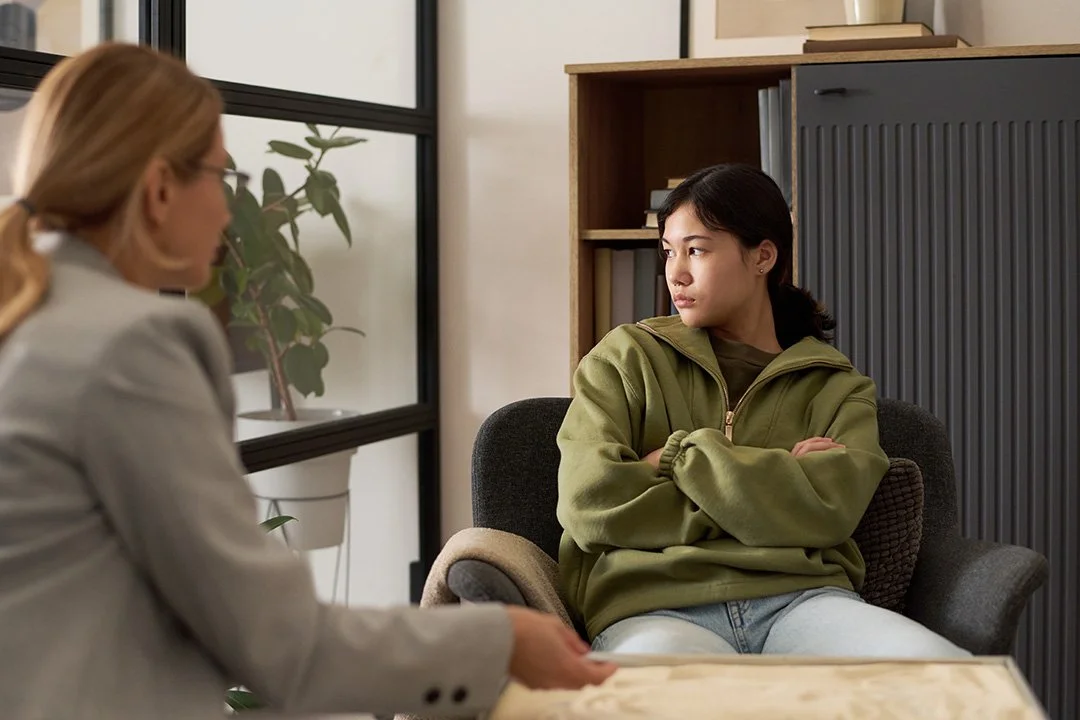
When a family becomes involved with the Department of Child Safety, many parents and carers ask the same question: Will my child have a say in what happens? The answer is yes, children’s voices are an important part of child protection proceedings in Queensland, and there are specific ways their views and wishes can be taken into account.
At Kalo Legal, we believe children deserve to feel heard in a way that is safe, respectful, and appropriate to their age and understanding. Here’s what you need to know.
Why Are a Child’s Views Important?
Queensland law recognises that children have the right to express their views in matters affecting them. The principle of listening to the child is part of both state legislation and international conventions, such as the United Nations Convention on the Rights of the Child.
However, the child’s views are one of several factors the Court will consider when making decisions. The ultimate focus remains on what is in the best interests of the child.
How Are a Child’s Views Collected?
There are a few ways a child’s voice may be included in child protection matters:
Through a separate representative: This is an independent lawyer appointed by the Court who represents the child’s best interests. If appropriate, they will meet with the child and help communicate their views. To learn more about this role, read our blog What Is a Separate Representative in QLD?
Family group meetings: Older children and teenagers may attend these meetings and share their opinions directly with the Department and family members.
Reports and assessments: Professionals such as social workers, psychologists or family consultants may interview the child and include their views in written reports. You can read more about this process in our blog What is a Social Assessment Report?
Direct interviews with Child Safety officers: In some cases, departmental officers will speak with the child during their investigation or ongoing case planning.
It’s important that these conversations are handled with care, and that children do not feel pressured or caught in the middle of adult conflict.
What If a Child Is Too Young to Express a View?
If a child is very young or unable to communicate their wishes, other evidence may be used to assess their likely needs and preferences. This includes:
Observations of the child’s behaviour and relationships
Feedback from carers, educators, or health professionals
Developmental assessments or psychological evaluations
Even when a child is not old enough to provide clear input, the Court still considers their emotional and physical wellbeing in decisions.
Will the Court Always Follow the Child’s Wishes?
No. The Court will weigh a child’s views alongside other factors, including:
The child’s age and maturity
Whether their views seem well-formed and consistent
The level of understanding the child has about the situation
Any risk factors present (such as exposure to harm or unsafe relationships)
For example, if a child says they want to return to a parent’s home but there are still serious safety concerns, the Court may decide against it to protect the child’s wellbeing.
How Can I Support My Child During This Process?
You can help your child feel safe and supported by:
Encouraging open, age-appropriate conversations
Reassuring them that it’s okay to express their feelings
Avoiding pressure or coaching them about what to say
Letting them know that adults will make the final decisions, but their voice matters
If you have concerns about how your child’s views are being handled or if you think their voice isn’t being heard, we’re here to help advocate for your family.
At Kalo Legal, we help families navigate this sensitive part of the process with care and compassion. If you're unsure how your child’s views are being considered or you want legal support to ensure their voice is heard, contact us for clear, experienced guidance. For more information on our services, visit our How Can We Help page, or explore more resources on our Blog.